
Direct thermal and thermal transfer printing offer different durability, cost, and performance advantages based on labeling application requirements.
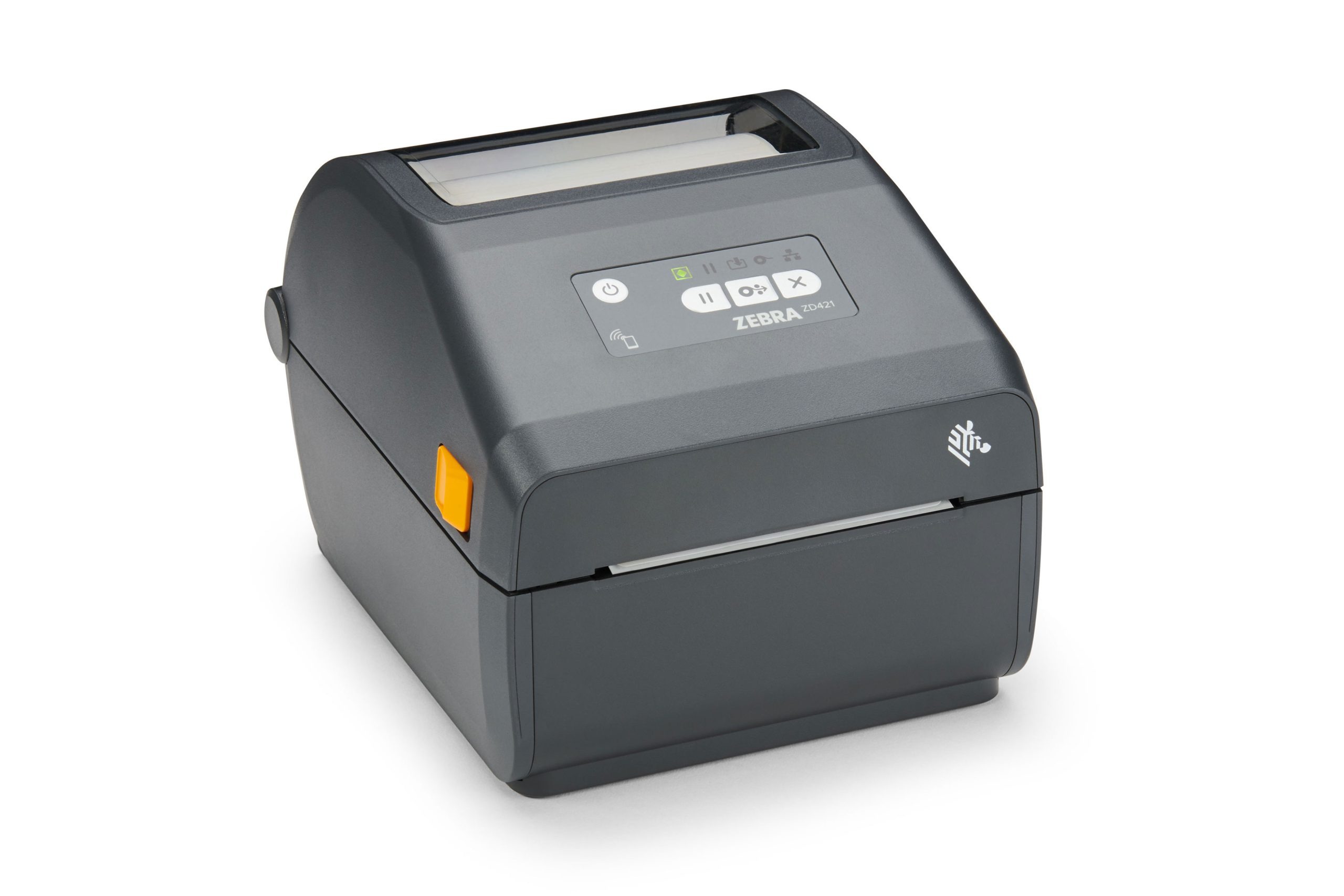
When it comes to industrial and commercial label printing, two technologies dominate the market: direct thermal and thermal transfer printing. Let’s dive into how these technologies work and their ideal use cases, with insights from industry leader Zebra Technologies’ implementations.
Direct thermal printing is a process that uses heat-sensitive media that darkens when exposed to heat. The printhead contains tiny heating elements that activate specific points on the label to create text, barcodes, and images. Think of it like the old-school fax paper that would darken when heated.
However, direct thermal labels have limitations. They’re sensitive to heat, light, and abrasion, making them best suited for short-term applications like shipping labels, receipts, and temporary identification badges. Zebra’s ZD200 series, for example, offers reliable direct thermal printing for these applications.
Thermal transfer printing uses a heated printhead to melt a coating of ribbon onto the label material. This technology is similar to how a hot iron transfers designs onto t-shirts. The ribbon contains wax, resin, or a combination of both that bonds with the label material when heated.
Zebra’s industrial printers, like the ZT600 series, showcase the capabilities of thermal transfer technology in demanding environments such as manufacturing and warehouse operations.
The choice between direct thermal and thermal transfer depends on several factors:
The label printing industry continues to evolve, with manufacturers like Zebra introducing innovations in both technologies. Smart features like remote management, predictive maintenance, and improved print resolution are becoming standard in newer models.
Both technologies are also seeing improvements in sustainability, with more eco-friendly materials and energy-efficient designs being developed. Zebra, for instance, has introduced printers with power-saving features and recyclable supply options.
Whether you choose direct thermal or thermal transfer printing, understanding these technologies helps ensure you select the right solution for your specific needs. As the industry continues to advance, we can expect to see even more improvements in print quality, durability, and efficiency across both printing methods.
Remember to assess your specific requirements carefully when choosing between these technologies and consider consulting with printing solution providers like Ahearn & Soper Inc to find the best fit for your application.
Browse more practical insights connected to warehouse management, automation, labelling, mobility, and support.